
Dog-Friendly Ground Cover: 13 Options That Survive Real Dogs


Dogs destroy yards. That is not a controversial statement. It is a reality that every dog owner in San Diego eventually confronts: brown urine spots, worn dirt paths from pacing, destroyed plantings from digging, mud tracked into the house after rain, and a lawn that looks worse every month no matter how much water and money you throw at it.
The fix is not finding the one magical grass that survives dogs (it does not exist). The fix is choosing ground cover materials that are engineered around how dogs actually use a yard, and in most cases, combining two or three materials in different zones to serve both human and canine needs.
This guide covers 13 ground cover options for dog owners, organized into four categories: living ground covers, grass varieties, non-living ground covers, and hardscape solutions. Each option is rated by durability against real dog behavior (digging, urine, heavy traffic), water requirements, and maintenance level. We saved the option that performs best in San Diego’s climate for dog owners until the end, because it requires the most explanation.
Get a Free Pet-Friendly Yard Consultation |
Common Backyard Problems Dog Owners Face
Before choosing a ground cover, it helps to understand exactly what you are designing against. Dogs create five specific types of yard damage, and no single ground cover solves all five. The right solution is usually a combination of materials in different zones.
Urine burn spots. Dog urine is high in nitrogen. On natural grass, concentrated nitrogen kills the grass in a circle, leaving a dead brown spot surrounded by a ring of darker green (where the diluted nitrogen acts as fertilizer). Female dogs and larger breeds cause the worst burn spots because they deposit urine in a single concentrated area. Watering the spot immediately after urination dilutes the nitrogen but is not a realistic daily routine for most homeowners.
Worn traffic paths. Dogs are habitual. They patrol the same fence line, run the same route to the back door, and pace the same path when excited. Within weeks, these high-traffic zones become compacted dirt. No grass or living ground cover survives sustained daily traffic from a 50-pound-plus dog running the same route.
Digging. Dogs dig for entertainment, to cool off (digging to cooler soil beneath the surface), or to bury objects. Any living ground cover with shallow roots is vulnerable. Deep-rooted grasses resist digging better, but determined diggers will destroy anything organic.
Mud and mess after rain. In San Diego, heavy winter rains saturate yards that lack proper drainage. Dogs go outside, come back in covered in mud, and track it through the house. This is a drainage and surface material problem, not a behavioral one. The solution is a ground cover that drains quickly and does not turn to mud when saturated.
Fleas and pests. Natural grass and organic mulch can harbor fleas, ticks, and other pests. Tall, moist grass is the ideal flea breeding environment. For households with dogs that spend significant time outdoors, pest resistance is a legitimate factor in ground cover selection.
A Note on Plant Safety for Dogs
Before planting anything in a yard where dogs roam, check the ASPCA’s database of plants that are toxic to dogs. Common San Diego landscaping plants that are toxic to dogs include aloe, azalea, calla lilies, gardenias, hibiscus, hyacinth, hydrangeas, mums, rhododendrons, sago palms, and tulips. Symptoms range from mild vomiting to serious organ damage depending on the plant and amount ingested. All of the living ground covers listed below are non-toxic to dogs.
Living Ground Covers for Dog-Friendly Yards
Living ground covers work best in low-traffic areas: between stepping stones, in border beds, and in sections of the yard where dogs do not run or pace. No living ground cover will survive a 70-pound Labrador sprinting across it daily. Set your expectations accordingly.
1. Silver Carpet (Dymondia Margaretae)
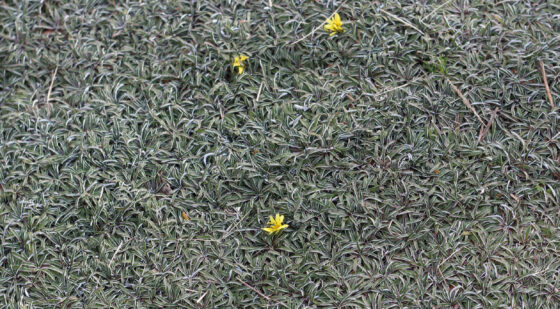
Silver-green leaves that grow tight to the ground with yellow flowers in warm weather. Handles moderate foot traffic and recovers well from light damage. Drought tolerant once established, which makes it a strong fit for San Diego’s climate. Best used between stepping stones or in small accent areas, not as a full-yard replacement. Will look patchy in areas where dogs run regularly.
Dog durability: Moderate. Survives light to moderate traffic. Will not survive heavy daily use or digging.
2. Elfin Thyme (Thymus Serpyllum “Elfin”)
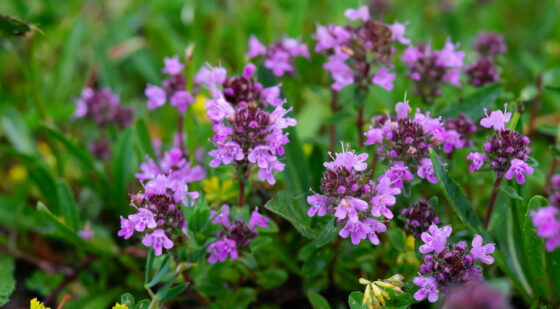
An ornamental herb that grows to about 2 inches tall, smells pleasant when stepped on, and is completely non-toxic and edible. Produces purple flowers in summer. Dense growth habit makes it more resistant to light traffic than most ground covers. Works well in rock gardens, container edges, and between pavers. Not suitable for areas where dogs roughhouse or play aggressively.
Dog durability: Low to moderate. Good for accent areas. Will not survive heavy traffic zones.
3. Miniature Stonecrop (Sedum Requieni)
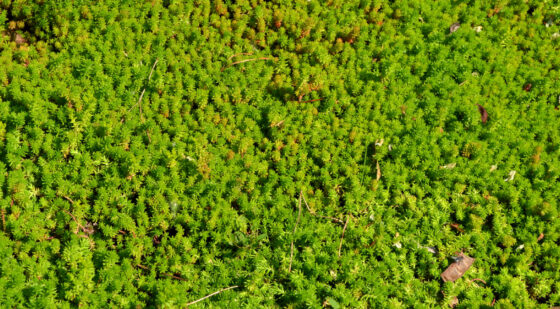
Tiny leaves form a tight mat close to the ground. Self-reseeds when damaged, which gives it better recovery ability than most living ground covers. Small yellow flowers in summer. Drought tolerant, making it a good fit for San Diego’s water-conscious landscaping. Plant pieces 1 to 2 inches apart to encourage fast mat coverage.
Dog durability: Moderate to good. The self-reseeding ability helps it recover from foot traffic damage. One of the more resilient living options for dog yards.
4. Snow in Summer (Cerastium Tomentosum)
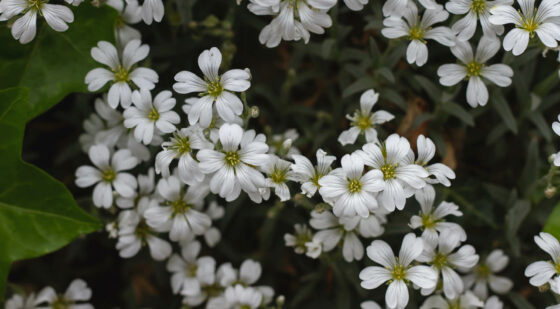
Silvery-green leaves with white flowers that bloom in early summer. Grows to about 6 inches tall. Drought tolerant and thrives in full sun or partial shade. Spreads aggressively (consider edging to contain it). One of the tougher living ground covers for pet yards. Also deer resistant, which is a bonus for properties near canyons and open space in San Diego.
Dog durability: Good. Handles moderate to heavy foot traffic better than most living options. Recovers quickly from damage due to aggressive spreading.
Live Grass Options for Dog-Friendly Yards
No grass is immune to urine burn, digging, and heavy traffic. If you share your yard with dogs and want natural grass, adjust your expectations. A golf-course lawn is not realistic. A functional, decent-looking lawn is achievable with the right variety and maintenance routine.
5. Tall Fescue
The best grass option for dog owners in San Diego. UC Davis research found that tall fescue tolerates lawn burn from pet urine better than other grass varieties. Its wide blades and deep root system handle heavy foot traffic well. The main downside: tall fescue is a slow grower, so damaged areas take longer to fill in. Overseed bare patches with Kentucky bluegrass for faster recovery.
Dog durability: Best of all grass types for urine resistance and traffic tolerance.
6. Bermuda Grass
The most common lawn grass in San Diego. Bermuda is aggressive, fast-growing, and extremely tough. It recovers from traffic damage faster than any other grass because it spreads through both surface runners and underground rhizomes. It handles heat and drought well. The downside for dog owners: it still gets urine burn spots, and its aggressive growth means it will invade planting beds if not contained with edging. If you already have Bermuda and want to keep a living lawn, it is your best bet for surviving dog traffic.
Dog durability: Excellent for traffic. Moderate for urine resistance. Repairs itself faster than any alternative.
7. Zoysia Grass
Deep-rooted, drought tolerant, and well-suited for San Diego’s warm, dry climate. Zoysia forms a dense turf that resists wear from foot traffic. It handles heat well and requires less water than tall fescue. The trade-off: Zoysia goes dormant and turns brown in winter (which looks worse than it is; it greens up again in spring). It is also slow to establish from seed or plugs.
Dog durability: Good. Dense growth resists traffic and digging better than most grasses. Moderate urine resistance.
8. Buffalo Grass
Marketed as a low-water, drought-tolerant alternative. Buffalo grass grows to about 3 inches, requires minimal maintenance, and uses significantly less water than fescue or Bermuda. Its thin blades look more delicate than they are. Available as seed or plugs from specialty nurseries.
Dog durability: Moderate. Handles light to moderate traffic but will thin under heavy daily use from large dogs.
Pro tip for any grass type: If you catch pet urine within a few minutes of it happening, flush the area with a hose to dilute the nitrogen before it burns the grass. This is the single most effective thing you can do to prevent brown spots on a natural lawn.
Non-Living Ground Covers for Dog Yards
For high-traffic zones, bathroom areas, and dog runs, non-living ground covers dramatically outperform anything that grows. They require less water, less maintenance, and do not die from urine or traffic.
9. Decomposed Granite (DG)
Compacted DG creates a firm, well-draining surface that is easy to clean and inexpensive to install. Dogs can use the bathroom on it without creating burn spots, and solid waste picks up cleanly. Liquid waste drains through to the soil below. In San Diego, DG is one of the most common materials for dog runs and side yards.
The downsides: DG can get dusty in dry weather (dogs will track fine particles into the house), and without proper compaction, it can develop low spots that hold water. It also gets hot in direct summer sun, so ensure the area has some shade coverage.
Dog durability: Excellent. No urine damage, no traffic damage, easy cleanup. Cost: $3 to $6 per square foot installed.
10. Pea Gravel
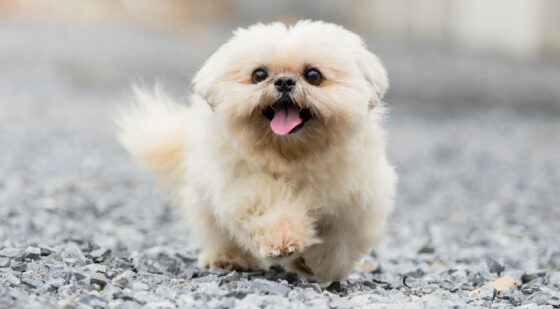
Smooth, rounded stones (typically 3/8 inch) that drain extremely well and are easy to hose down. Pea gravel is a popular dog run material because waste cleanup is simple and urine drains immediately. It stays cooler than DG in direct sun because air circulates between the stones.
The downsides: some larger dogs may get small stones stuck between their paw pads (this depends on the individual dog). Pea gravel also migrates easily, so it needs edging to keep it contained. It is not a comfortable surface for dogs to lie on for extended periods.
Dog durability: Excellent. No urine damage, fast drainage, easy cleanup. Cost: $4 to $8 per square foot installed with edging.
11. Cedar Wood Chips
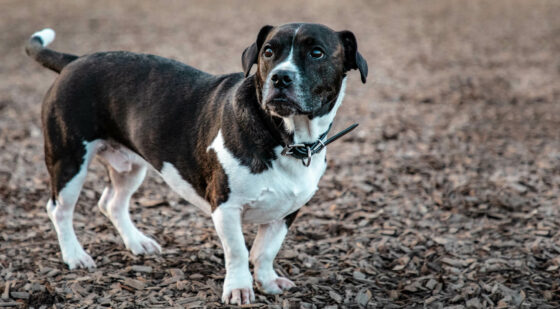
Cedar specifically (not generic wood chips) is the preferred choice for dog yards because cedar naturally repels fleas and ticks. It is soft underfoot, inexpensive, easy to rake back into place after dogs create paths, and provides decent drainage.
The downsides: some dogs eat wood chips (monitor your dog before committing to a full yard of them). Cedar can cause respiratory irritation in a small percentage of dogs. Buy a single bag first and test before filling the yard. Avoid dyed or treated wood products. Cedar breaks down over 1 to 2 years and needs to be topped off periodically.
Dog durability: Good. Soft, flea-resistant, inexpensive. Needs periodic replenishment. Cost: $2 to $4 per square foot.
Hardscape Solutions: The Permanent Fix for High-Traffic Zones
If your dog has destroyed the same area of your yard repeatedly, the answer is not a tougher plant. The answer is a surface that is physically incapable of being destroyed. Hardscape (pavers, concrete, or structured surfaces) solves the problem permanently in high-traffic zones.
12. Paver Patio or Walkway
Interlocking pavers create a permanent, urine-proof, traffic-proof surface that is easy to hose down and requires zero ongoing maintenance beyond occasional polymeric sand refresh. For dog owners, a paver patio or walkway in the highest-traffic zones (the path from the back door to the yard, the area where dogs eat and drink, the zone next to the house where they pace) eliminates the muddy, worn-out mess permanently.
Pavers also solve the mud-tracking problem. After rain, a properly graded paver surface drains within minutes. No mud, no mess, no paw prints through the house.
In San Diego, a paver patio costs $21 to $36 per square foot installed with a properly engineered base (7.5 inches of excavation, 4 inches of compacted Class II base for pedestrian areas). For a detailed cost breakdown, see our Paver Cost Guide or use the Paver Cost Calculator.
Dog durability: Indestructible. Zero maintenance. The most permanent solution for high-traffic, high-wear zones.
Artificial Turf for Dogs: The Best Overall Solution for San Diego
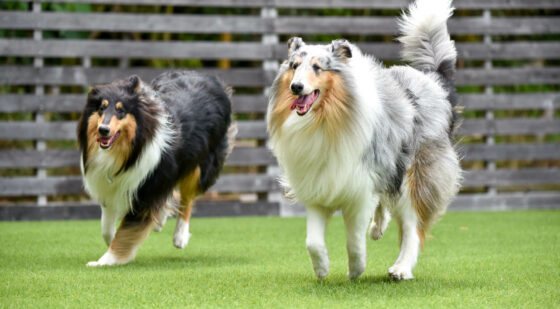
We saved this for last because it requires the most explanation and because, for the majority of San Diego dog owners, it is the best overall ground cover solution. Artificial turf eliminates every major problem dog owners face with natural yards:
No urine burn spots. Synthetic fibers are not affected by nitrogen. Your yard stays uniformly green regardless of how many dogs use it or where they go.
No worn traffic paths. Pet-grade turf is designed to withstand heavy, repeated traffic. Dogs can sprint the same route a thousand times without wearing it down.
No mud. A properly installed turf system has a compacted base that drains rapidly. Even during heavy San Diego winter storms, the surface stays clean and dry. No more muddy paws tracked through the house.
No digging (in most cases). The turf is secured to a compacted base with landscape staples. Most dogs cannot pull it up. Determined diggers may find edges near fences, which is why proper edge restraint during installation matters.
No fleas. Synthetic turf does not provide the moist, organic habitat that fleas need to breed. Switching from natural grass to artificial turf is one of the most effective flea control measures a dog owner can take.
Easy waste cleanup. Solid waste picks up cleanly from turf (cleaner than from grass). Liquid waste drains through the turf and base to the soil below. For odor control, treat the turf periodically with an enzyme-based cleaner like Urine Zero, which breaks down uric acid crystals at the source rather than masking the smell.
What Pet Turf Installation Looks Like in San Diego
A proper pet turf installation is not just rolling out a carpet of fake grass. It is an engineered system with multiple layers:
Excavation: We excavate 2.5 to 4.5 inches of existing soil and organic material, depending on the site conditions and whether drainage improvements are needed.
Base preparation: 2 to 3 inches of compacted decomposed granite or Class II base rock is installed and graded to ensure proper drainage slope. This base prevents pooling and ensures urine and rainwater drain away from the surface.
Weed barrier: A geotextile weed barrier fabric is laid over the base to prevent any vegetation from growing up through the turf. For more on why this layer matters, see our Geotextile Fabric Guide.
Turf installation: Pet-grade artificial turf (heavier face weight, shorter pile height for easier cleaning, and enhanced drainage perforations) is cut to fit, seamed, and secured with landscape staples and adhesive along edges.
Infill: A deodorizing infill is brushed into the turf fibers. This helps the blades stand upright, provides cushioning, and includes antimicrobial properties that help control pet odor between cleanings.
Pet Turf Costs in San Diego (2026)
Pet-grade artificial turf installation in San Diego typically costs $12 to $25 per square foot, including excavation, base preparation, turf, infill, and labor. The exact price depends on turf quality, site access, drainage requirements, and the size of the area.
| Area Size | Estimated Installed Cost |
|---|---|
| 200 sq ft (small dog run) | $2,400 to $5,000 |
| 500 sq ft (side yard or back section) | $6,000 to $12,500 |
| 1,000 sq ft (full backyard lawn) | $12,000 to $25,000 |
| 1,500+ sq ft (large yard) | $18,000 to $37,500+ |
For a quick estimate specific to your yard, use our Artificial Grass Cost Calculator. For a full breakdown of turf pricing by grade, infill type, and installation specs, read the 2026 Artificial Grass Cost Guide.
The Two Things You Must Get Right with Pet Turf
1. Drainage. If the base is not graded correctly or the turf does not have adequate drainage perforations, urine pools on or beneath the surface and creates an odor problem that is extremely difficult to fix after the fact. This is the #1 reason pet turf installations fail. Proper base grading and drainage planning must happen before the turf goes down. For dog areas specifically, we recommend turf with enhanced drainage holes (more perforations per square foot than standard turf).
2. Odor management. All artificial turf accumulates urine residue over time. The uric acid crystals bind to the turf fibers and base material. Regular rinsing with a hose helps, but it does not break down the crystals. An enzyme-based cleaner applied monthly (we recommend Urine Zero) breaks down uric acid at the molecular level and eliminates the smell at its source. For a detailed cleaning protocol, see our guide to removing dog urine smell from artificial grass.
Get a Free Pet Turf Estimate |
Use the Turf Cost Calculator |
Dog-Friendly Yard Design Tips
The best dog-friendly yards are not one material everywhere. They are zoned. Here is the approach we use when designing pet-friendly outdoor spaces in San Diego:
Zone 1: The patio (hardscape). The area immediately outside the back door gets the most traffic from both humans and dogs. Paver hardscape is the right surface here. It is permanent, drains instantly, and serves as your outdoor living and entertaining space. This zone often includes an outdoor kitchen, fire feature, or dining area.
Zone 2: The play/bathroom area (artificial turf). The open area where dogs run, play, and relieve themselves. Pet-grade artificial turf with enhanced drainage is the best option for this zone. It stays green, handles traffic, and cleans up easily.
Zone 3: The perimeter (planting beds with edging). Protected planting beds along fences and walls can contain dog-safe plants, succulents, and drought-tolerant landscaping that add visual interest and color. Use raised beds, landscape edging, or decorative borders to keep dogs out of the plantings.
Shade is not optional. Dogs dig to reach cooler soil. If your yard has adequate shade (from a shade structure, mature trees, or a pergola or patio cover), digging behavior often decreases significantly. In San Diego’s climate, shade also prevents artificial turf from getting uncomfortably hot during peak summer afternoons.
Work with the dog’s habits, not against them. If your dog paces along the fence line, put DG or pea gravel there instead of fighting a losing battle with grass. If they always run the same route to the back door, put a paver walkway on that route. Designing around behavior is cheaper and more effective than trying to change it.
Drainage solves the mud problem. If your yard turns to mud after rain, the problem is grading and drainage, not the ground cover. Proper slope, area drains, and a permeable surface (pavers, turf, DG) eliminate standing water and the mud that comes with it. For drainage solutions specific to San Diego, read our Hardscape Engineering Guide.
A pet-friendly yard done right involves hardscape, turf, drainage, and planting working together as a system. Hiring separate contractors for each piece leads to integration problems (turf that does not drain to the paver area, planting beds that flood the turf zone, edges that separate). A design-build firm handles all of it under one plan and one contract.
Before signing any contract, verify the contractor holds active CSLB licenses (C-27, D-06 & D-12) and carries $2M general liability insurance. Run every contractor through our Contractor Vetting Playbook.
The INSTALL-IT-DIRECT Standard
Every project we build is backed by our written On-Time Completion Guarantee. We agree on a timeline before construction starts. If we miss the deadline due to delays on our end, we pay you a daily schedule credit. No other landscaping company in San Diego offers this. See our guarantee details.
We carry full workers’ compensation and general liability insurance that exceeds industry standards. We are fully licensed with the California CSLB (License #947643, C-27, D-06 & D-12 classifications), and we have completed over 6,000 projects across San Diego County since 2009.
Ready for a Dog-Proof Yard?
Schedule a free consultation and we will walk your property, discuss how your dogs use the space, and design a zoned yard that works for everyone, humans and pets.
Schedule Your Free Consultation |
Use the Turf Cost Calculator |
Frequently Asked Questions
We design and build pet-friendly yards, artificial turf installations, paver hardscapes, and full outdoor living projects across San Diego County, including Rancho Santa Fe, Del Mar, La Jolla, Carmel Valley, Encinitas, Carlsbad, Poway, Escondido, El Cajon, Santee, Scripps Ranch, Oceanside, San Marcos, Chula Vista, Coronado, Bonita, Fallbrook, and the surrounding coastal and inland communities.